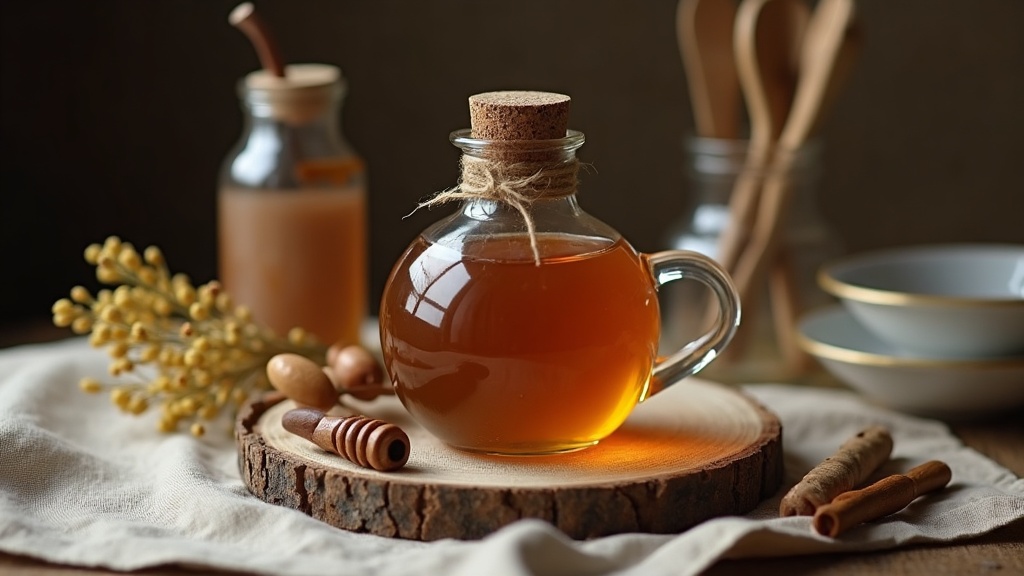
Long before tracking apps and food labels, people simply sat down after eating. Biblical drink (oil)/ Honey blend was part of that pause — a small, unhurried ritual passed down in kitchens, not a fix for anything.
Nobody wakes up thinking about food rules. But somewhere between breakfast and bedtime, it starts adding up.
You slept enough, technically. But mornings still feel like wading through fog before the first cup of coffee even kicks in.
Is it the bread? The fruit? The rice? Every list seems to contradict the last one, so you just guess and hope.
Deciding what to eat shouldn't feel like homework. But three times a day, it does — plate after plate, choice after choice.
You eat, you feel fine, and then — an hour later — the energy just drops. It's a familiar afternoon slump for a lot of people.
A lot of kitchen talk gets repeated so often it starts to sound true. Here’s a plainer look at three common ones.
All carbohydrates behave the same way.
Carbohydrates come from many different foods — vegetables, grains, legumes — and how they fit into a meal varies a lot from one dish to the next.
Fruit should be avoided entirely.
Fruit is a whole food with fiber and water content, not a single category to fear. Whole fruit and fruit juice are not the same thing.
There’s a special category called “diabetic food.”
Most packaged products labeled this way are simply reformulated snacks. Everyday, minimally processed meals are usually the simpler choice.
None of this replaces medical guidance — it’s just how some people structure the rhythm of a meal. Always keep your regular care team in the loop before changing your routine.
Eating a little slower gives a meal room to actually register. Some people set down the fork between bites, just to break the rush.
Some households eat vegetables first, protein next, and starches last — simply a plating habit, not a rule carved in stone.
A short walk, some light tidying, a few minutes outside — gentle movement after eating is an old habit in many cultures, nothing more dramatic than that.
Across old Mediterranean and Near Eastern tables, olive oil and honey were kitchen staples long before refrigeration or packaged food existed. Combined together, they showed up at the end of meals — drizzled over bread, stirred into warm water, or offered to guests as a gesture of hospitality. Ancient texts and oral traditions mention the pairing as a symbol of abundance and care, something shared at the table rather than measured out. It was a closing note to a meal, the way some families today linger over tea.
This is a story about culture and custom, not a claim about what the blend does inside the body. It belongs in the kitchen, not the medicine cabinet.
If your energy feels unusually up and down, day after day, it's worth mentioning at your next appointment rather than guessing at the cause on your own.
A noticeable, ongoing change in thirst is the kind of detail your healthcare provider will want to hear about directly.
If rest isn't leaving you refreshed for weeks at a time, that pattern is worth a conversation with the professional who knows your history.
Eating noticeably more or less than usual, without an obvious reason, is something to flag with your doctor rather than sort out alone.
Discomfort or unclear thinking after eating, on a recurring basis, deserves a proper conversation with your care team.
Before adjusting meals, habits, or anything related to your prescribed care, check in with the professional managing your treatment first.
These are individual accounts shared for illustrative purposes only. Names are fictional, experiences vary from person to person, and none of this reflects a guaranteed outcome. Always continue following your own healthcare provider’s guidance.
This video walks through the tradition behind Biblical drink (oil)/ Honey blend and how some households built a simple after-meal ritual around it. It’s educational content only — please keep following your doctor’s guidance and don’t change any part of your treatment without talking to them first.
Advertising Disclosure: This page contains sponsored content and affiliate links. We may receive compensation if you click on or make purchases through links on this page. This helps support the content but does not influence our commitment to providing informational content.
Content Disclaimer: This content is for educational purposes only and has not been evaluated by the FDA. It is not intended to diagnose, treat, cure, or prevent any disease. It does not substitute for professional medical advice, diagnosis, or treatment. Always consult a qualified healthcare professional before changing your diet, routine, or any prescribed treatment.
Results Disclaimer: Individual results and experiences vary. Testimonials reflect personal opinions and are not a guarantee of any particular outcome for any other individual.
© 2026 · All Rights Reserved